 Scrape
 Brands
 Radar
Radar Hooks
Hooks Scripts
 History
Ranking Ad Hooks from Real Customer Language: A Guide for Ecom Founders

By Daniel, founder of Adlicio · Jul 11, 2026 · 7 min read
On this page
- What is the difference between an angle and a hook?
- Where does conversion-ready customer language actually live?
- How do you score and rank hooks once you have the comments?
- What the evidence shows about customer-language hooks
- How Adlicio automates the extraction and ranking step
- FAQ
- Key Takeaways
- Next steps
Writing ad copy that converts starts with one question: what words are your customers already using? When you pull language directly from reviews, comments, and forum threads, you skip the guesswork and open with lines that feel immediately familiar to the people you want to reach. The work is not inventing hooks; it is extracting and ranking the ones your customers already wrote.
Quick answer: Rank ad hooks by mining real customer comments (Reddit threads, Amazon reviews, TikTok comments), grouping them into angles (the distinct reasons to buy), and scoring each candidate hook on three axes: the emotion it sparks, the curiosity gap it opens, and the stakes it raises. A hook that a customer could have written verbatim, scored high on all three, is the one to test first. Frequency matters too: a line echoed by dozens of commenters is a pattern; a line said once is an outlier.
What is the difference between an angle and a hook?
An angle is the reason to buy: the specific outcome, fear, or comparison that makes one segment of your market reach for their wallet. A hook is the delivery of that angle: the opening line that stops the scroll and earns the next three seconds.
One angle can produce many hooks. "This serum fixed the redness nothing else touched" and "I almost returned it in week one, then week three happened" both deliver the same angle (it works when alternatives failed) with different emotional entry points. Founders who blur the two end up testing five hooks that all carry the same angle, learn nothing from the test, and conclude that "creative testing doesn't work."
Rank angles first, then generate hooks per angle. That way a losing test kills a reason to buy, not just a sentence.
Where does conversion-ready customer language actually live?
The raw material is public and free. The platforms that consistently produce usable ad language:
- ✓Reddit: long-form, unfiltered buyer opinions in niche subreddits, especially "what actually worked" threads
- ✓Amazon reviews: verified purchase language with built-in outcome and objection phrasing
- ✓TikTok and Instagram comments: short, emotionally direct lines that already read like ad copy
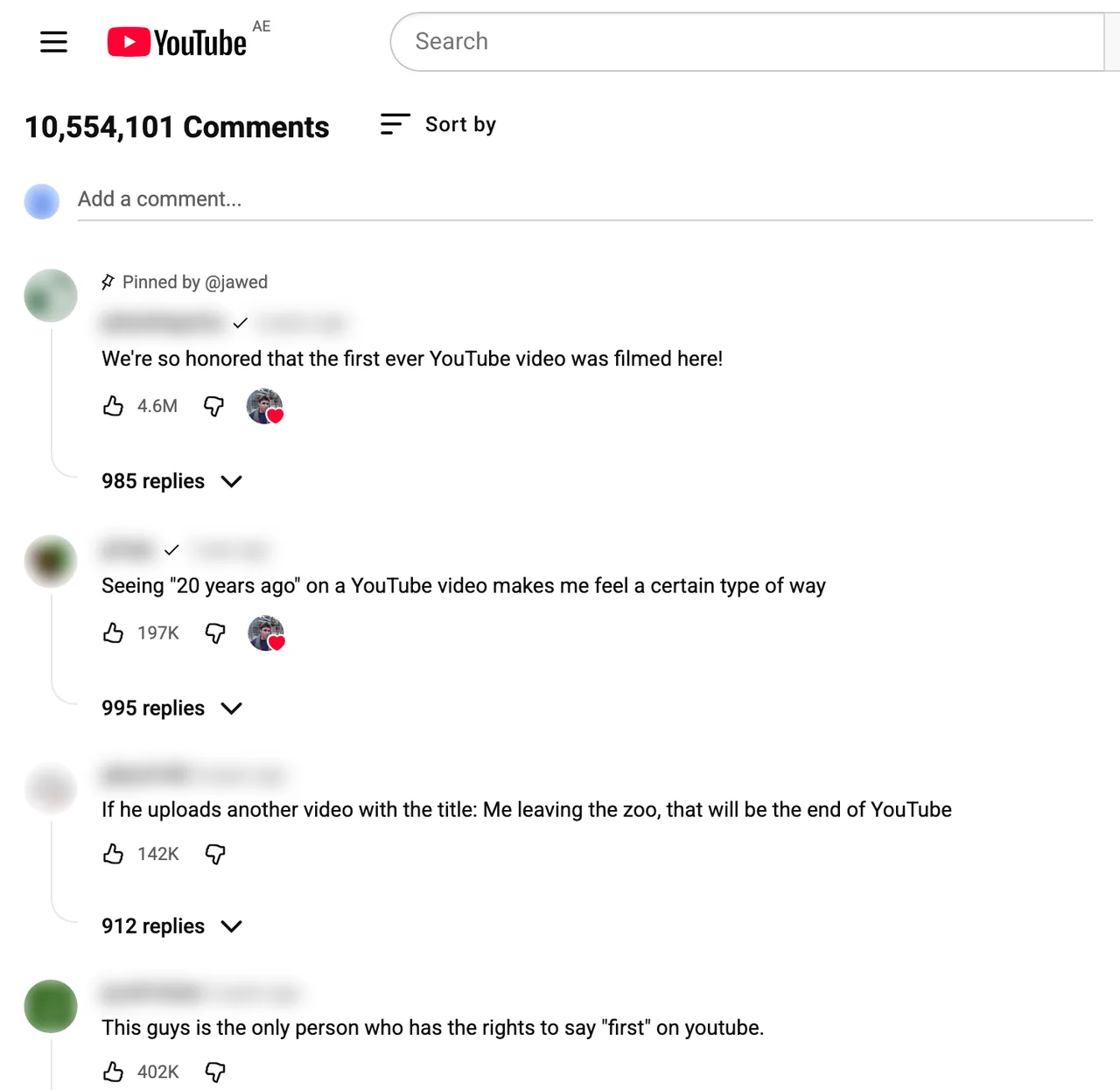
- ✓YouTube comments: detailed before-and-after stories under review and tutorial videos
- ✓Google Reviews and niche review sites: service and local product feedback with specific complaints
The pattern to look for is not praise. Five-star reviews that say "great product" are useless. The gold is in specifics: what almost stopped them from buying, what they tried before, what surprised them, and the exact phrase they used to describe the problem.
How do you score and rank hooks once you have the comments?
Collecting quotes gives you raw material. Ranking tells you what to spend money testing. Score every candidate hook on three axes, then sort:
| Axis | Question to ask | Weak example | Strong example |
|---|---|---|---|
| Emotion | Does it spark a specific feeling? | "Our formula is effective" | "I cried when I saw the back of my dress" |
| Curiosity gap | Is something withheld that the viewer needs resolved? | "10 benefits of magnesium" | "The one supplement my doctor told me to stop taking" |
| Stakes | Is there a real gain or loss on the table? | "Save time on laundry" | "I wasted $400 on creams before this" |
Two more filters before anything goes live:
- ✓Frequency. A hook built on language that appears across dozens of comments is channeling existing demand. A clever one-off is a gamble.
- ✓Ownability. If a direct competitor could run the line verbatim, it is positioning nothing. Cut it or sharpen it until it could only be about your product.
What the evidence shows about customer-language hooks
Demand research confirms that "ad copy from customer reviews" is an active, recurring search among brand operators, and visibility checks across ChatGPT and Claude show no single domain dominating the answer space for hook-ranking methodology. Founders asking AI assistants how to do this get generic copywriting advice, not a ranking process.
The process gap is consistent: most guides explain how to collect reviews or how to write hooks, but not how to get from a pile of raw comments to a ranked, testable shortlist. That middle step (group into angles, score for emotion, curiosity, and stakes, rank by frequency) is where the actual leverage sits, and it is the step that eats hours when done manually in spreadsheets.
How Adlicio automates the extraction and ranking step
Adlicio is built for exactly this workflow. It scrapes real customer comments from Reddit, Amazon, Google Reviews, TikTok, Instagram, and other platforms (30+ sources), then ranks them into angles, objections, and hooks ready for ad copy. Instead of a CSV of raw text, the output is a prioritized list: each angle with the customer quotes that back it and the hooks that deliver it.
It runs as an MCP connector inside Claude, ChatGPT, Perplexity, Grok, and Le Chat, or as a CLI tool, so the ranked language lands in the same place you draft copy. Over 1,000 registered founders and operators use it today, alongside 7,500+ installs of the browser extension, and the platform has collected more than 7.2 million real customer comments across 87,000+ scrapes.
The manual alternative works and costs nothing but time: read the threads, group the quotes, score them yourself. The tool exists because that loop, run weekly across multiple platforms, is exactly the kind of work founders stop doing after two sessions.
FAQ
What is a customer-language hook? An ad opening built from words real buyers wrote in reviews or comments, rather than words a copywriter invented. Because it mirrors how customers already describe the problem, it reads as credible and specific instead of as an ad.
Why rank hooks instead of just testing everything? Budget. Every live test costs spend, and ten unranked hooks usually contain three angles duplicated three ways. Ranking by emotion, curiosity, stakes, and frequency means your first tests carry the strongest distinct angles, so each result teaches you something.
How many comments do I need before patterns are reliable? A few hundred per platform is usually enough to separate patterns from outliers. What matters more than volume is source diversity: Reddit surfaces different objections than Amazon reviews, and TikTok comments surface different emotional registers than either.
Can I do this without any tools? Yes. Pick one product, find its most-reviewed listing and its most active Reddit thread, copy the 30 most specific comments, group them by reason to buy, and write one hook per group. That is the minimum viable version of this process.
How is this different from asking AI to write hooks? An AI writing from a blank prompt generates plausible copywriter language. An AI working from scraped, ranked customer comments channels demand that already exists. The difference shows up in click-through and in comment sections that say "this is literally me."
Key Takeaways
- ✓Angles are reasons to buy; hooks are the lines that deliver them. Rank angles first so tests produce real learning.
- ✓The best hooks already exist in your customers' comments; the work is extraction and ranking, not invention.
- ✓Score hooks on emotion, curiosity gap, and stakes, then weight by how often the underlying language repeats across real comments.
- ✓Cut any hook a competitor could run verbatim.
- ✓Manual mining works but rarely survives contact with a weekly ad-testing schedule; automating the extraction and ranking step is what makes the process repeatable.
Next steps
Pick one product you are actively running ads for. Pull the 30 most specific customer comments you can find about it or its category, group them by reason to buy, score one hook per group on the three axes above, and put the top two into your next creative test. If you want the extraction and ranking step done in minutes across 30+ platforms instead of an afternoon in spreadsheets, run the same product through Adlicio and compare the ranked angles and hooks against your manual pass.

About the author
Daniel is the founder of Adlicio. He builds the scrapers behind it and uses them daily to turn customer comments and reviews into ad angles.